Revamp Your Backyard: Your Essential Guide to Stunning Pool Remodeling Ideas
Redesigning a yard into a gorgeous sanctuary requires careful design and planning. A pool renovation can improve both visual appeal and usability. By assessing existing features and incorporating contemporary styling options, homeowners can create a space that meets their needs. However, the process entails more than just selecting materials and design features. Understanding the key phases and common challenges is vital for a positive outcome. What important decisions must be made to accomplish the planned vision?
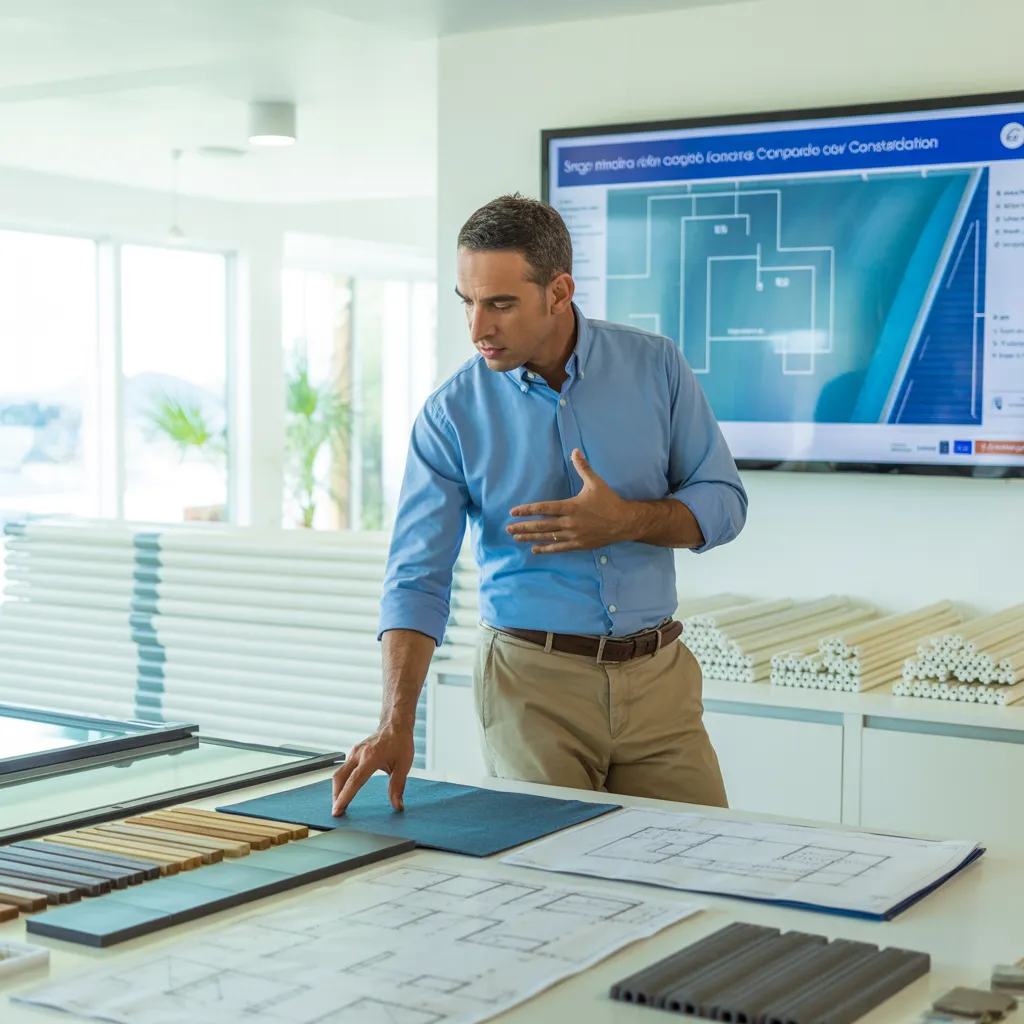
Critical Steps for Achieving a Successful Pool Remodel
A successful pool remodel requires meticulous planning and careful implementation. The primary step consists of setting a clear budget, which helps determine the scope of the project and informs key decisions. Next, homeowners should assess their current pool and surrounding landscape to pinpoint areas that require enhancement. This evaluation often leads to the formation of a detailed design strategy that aligns with personal preferences and lifestyle needs.
Employing a experienced contractor is important, as their knowledge can optimize the remodeling process and guarantee compliance with regional requirements. Obtaining required permits is an important consideration that must not be ignored. Furthermore, choosing the right materials and finishes will greatly impact the visual appeal and lasting quality of the remodel.
Finally, establishing a reasonable timeframe for finishing assists in managing expectations, guaranteeing that residents can take pleasure in their renovated environment without excessive interruptions. full details Through meticulous implementation of these measures, a significant pool transformation can be accomplished.
Selecting the Best Features for Your Pool
How does one determine the best features to enhance a pool's functionality and appeal? The selection process begins with considering the primary function of the pool. For family use, protective elements such as non-slip surfaces and shallow areas may be prioritized. For recreational purposes, swim-up bars, integrated seating, or water slides can add excitement.
Moreover, one should consider design features, such as lighting and landscaping, which can cultivate a calming environment. Additions such as waterfalls and fountains not only boost aesthetic value but also introduce soothing sounds.
Additionally, practical considerations such as efficient heating solutions and automated cleaning devices enhance convenience and sustainability.
Ultimately, aligning the selected characteristics with individual lifestyle needs and the immediate outdoor setting is of the utmost importance. This careful strategy confirms that the pool becomes a beloved focal point, integrating naturally with the backyard while fulfilling its intended function with ease.
Managing Your Pool Renovation Budget
Creating a budget for a pool remodel involves careful assessment of multiple critical aspects. Property owners ought to start by establishing firm budget boundaries and concentrating on necessary enhancements to optimize their investment. Furthermore, researching different funding opportunities may assist in achieving the planned improvements without monetary stress.
Setting Your Budget Limits
Setting a budget for a pool remodel is essential for ensuring the project remains financially viable. Homeowners should begin by evaluating their current financial situation and determining how much they can comfortably allocate for the remodel. It is advisable to factor in not only direct costs, such as materials and labor, but also indirect expenses, like permits and potential landscaping changes. Exploring prevailing costs in the local market can deliver helpful information and support the development of realistic expectations. Additionally, homeowners should consider setting aside a contingency fund for unexpected expenses that may arise during the renovation. By determining firm budget parameters, property owners can successfully oversee their resources while still realizing their desired pool renovation.
Prioritizing Essential Upgrades
While planning a pool remodel , homeowners should prioritize essential upgrades to make certain the most meaningful updates stay within their financial plan. Essential components such as resurfacing the pool interior, modernizing the filtration system, and improving safety features should be prioritized. Resurfacing enhances not just the appearance but also prolongs the pool's durability. An updated filtration system ensures water clarity, lowering upkeep expenses over time. Moreover, adding safety elements, including non-slip surfaces and appropriate fencing, is crucial for the well-being of the family. Property owners should assess their existing configuration and pinpoint areas needing urgent attention, enabling them to distribute funds wisely. By emphasizing these key enhancements, they can establish an appealing and efficient pool environment without stretching their finances.
Exploring Financing Options
How do homeowners successfully manage financing for their pool remodel without exceeding their budget? First, they should create a detailed budget that outlines all potential costs, including materials, labor, and unexpected expenses. Next, exploring financing options such as personal loans, home equity lines of credit, or specialized pool financing can provide necessary funds. Additionally, some contractors may offer financing plans that allow for manageable monthly payments. Homeowners could also explore saving strategies by consistently setting aside part of their earnings over a period of time. As a final consideration, exploring grants or financial incentives tied to energy-efficient enhancements can significantly ease monetary strain. By examining these options, homeowners can make informed decisions that align with their financial capabilities while achieving their dream pool.
Current Design Trends for Pool Remodeling
Current design trends in pool remodeling emphasize modern minimalist aesthetics, centered on clean lines and understated elegance. Additionally, eco-friendly features are gaining popularity, advancing green practices while improving the overall enjoyment. Advanced technology integration likewise holds an important place, delivering homeowners state-of-the-art tools for ease of use and reduced energy consumption.
Sleek Minimalist Style
As homeowners strive to develop serene outdoor spaces, sleek minimalist styles have risen as a prominent trend in pool redesign. This style focuses on clean design and practicality, focusing on clean lines and open spaces that foster a sense of tranquility. Swimming pools crafted with minimalist principles often feature geometric shapes and neutral color palettes, allowing them to blend seamlessly into their surroundings. Resources including natural stone, concrete, and glass are preferred for their sleek appearance and durability. Integrating delicate landscaping touches, including minimal greenery, enhances the overall design without overwhelming the space. By valuing excellence over excess, modern minimalist pool designs create an inviting atmosphere that inspires comfort and pleasure, rendering them a favored option for modern homeowners.
Sustainable Pool Features
As sustainability continues to gain importance, environmentally conscious pool features are emerging as a leading trend in outdoor renovation. These designs balance environmental stewardship with visual enhancement. Natural filtration systems, for example, utilize plants and gravel to maintain water clarity, minimizing dependence on chemical treatments. Additionally, solar heating panels are gaining popularity, enabling pool owners to utilize renewable energy for managing water temperature. Integrating recycled materials into pool design, like reclaimed stone or glass tiles, continues to reinforce environmentally friendly efforts. Furthermore, energy-efficient pumps and LED lighting not only lower energy consumption but also minimize the carbon footprint. Ultimately, these innovative designs reflect a commitment to sustainability, offering a beautiful and environmentally conscious solution for modern pool owners.
Advanced Technology Integration
Growing numbers of homeowners are incorporating smart technology integration in their pool renovation endeavors. This shift boosts convenience and efficiency, allowing for effortless management of multiple pool features. Smart thermostats help maintain ideal water temperatures, while programmable lighting setups generate ambiance and improve safety during nighttime use. Furthermore, state-of-the-art filtration systems with integrated sensors track water conditions, ensuring a pristine swimming environment with minimal manual intervention.
Remote access via smartphones or tablets enables users to change settings, obtain alerts, and even enable features including heating or cleaning from a distance. Furthermore, connectivity with home automation systems enables coordinated functionality with other smart devices, simplifying the overall outdoor experience. Altogether, smart technology is redefining pools as sophisticated, low-maintenance escapes.
Integrating Landscaping With Your Pool
Combining landscaping elements with a pool can turn a typical backyard into a tranquil retreat, improving both visual appeal and practical use. Thoughtful landscaping harmonizes with the pool's design, creating a cohesive look. Indigenous plants, for example, demand minimal upkeep and flourish in regional climates, introducing vibrant hues and rich texture to the pool surroundings.
Carefully situated trees can create shade, enhancing comfort while lounging while also improving privacy. Adding elements such as stone pathways or decorative rocks can draw attention and inspire exploration throughout the space.
Aquatic features, such as decorative fountains or waterfalls, not only elevate the auditory experience but also cultivate a serene atmosphere. Moreover, the strategic placement of outdoor lighting enhances the pool and surrounding landscape, allowing for extended enjoyment into the evening. Ultimately, integrating landscaping elements with a pool not only amplifies the overall visual appeal but also improves the comfort and functionality of the outdoor retreat.
Upkeep Tips for Your Renovated Pool
Managing a refurbished pool calls for careful attention to numerous elements to preserve its longevity and aesthetic appeal. Regular cleaning is essential, as contaminants can gather and compromise both the cleanliness and look of the water. A reliable regimen of brushing, skimming, and vacuuming the pool surfaces reduces the risk of algae growth and maintains clarity.
Water chemistry plays another vital role; checking pH, chlorine, and alkalinity levels on a weekly basis ensures a secure swimming environment. Additionally, the filtration system should be monitored and cleaned regularly to ensure peak performance.
Seasonal maintenance, including winterizing in colder months, is crucial for protecting the pool structure and equipment. Examining tiles, coping, and surfaces for cracks or deterioration can help avoid expensive repairs down the line.
Finally, landscaping around the pool should be maintained to reduce debris buildup and ensure proper drainage, making certain that the surrounding space remains inviting and safe for everyone who uses it. Proper maintenance not only enhances enjoyment but also protects the investment made in a remodeled pool.
Common Questions and Answers
What Is the Typical Duration of a Pool Remodel?
A standard pool renovation requires around two to six weeks, influenced by the complexity of the project, prevailing weather conditions, and contractor availability. Homeowners are advised to expect potential setbacks due to unexpected complications during the renovation process.
Can I Remodel an Above-Ground Pool?
Absolutely, above-ground pools can be remodeled. Many homeowners choose to improve aesthetics by incorporating decks, landscaping, or new liners, while structural modifications may involve reinforcing walls or adjusting height. Strategic planning ensures a smooth and successful remodel.
What Permits Are Needed for Pool Remodeling?
When remodeling a pool, homeowners typically need permits for construction, plumbing, and electrical work. Local regulations vary, so speaking with the local construction authority is necessary to confirm conformity with all applicable codes.
What Is the Best Way to Choose a Dependable Contractor?
To find a trustworthy contractor, it is advisable to seek referrals, check online reviews, confirm licenses and insurance coverage, interview multiple candidates, and request detailed estimates. Reliability and clear communication during early discussions can further reflect their professional standards and trustworthiness.
What Warranties Should I Expect on Pool Renovations?
Homeowners should expect warranty coverage for equipment, structural integrity, and materials when renovating their pools. Generally, these warranties span from one to ten years, according to the contractor and the particular components used in the remodeling project.
Comments on “Licensed Pool Liner Installation Services in Deale by Kleen Pools LLC”